Essential SOPs for Flipping Projects: A Practical Guide to Success
The difference between successful house flippers and those who struggle often comes down to one critical factor: systematic execution. Standard operating procedures for flipping projects ensure consistent execution across all fix and flip ventures and reduce costly errors by 35-40%. More importantly, these standardized procedures help scale flipping operations from 2-3 properties annually to 10+ projects while maintaining quality and profitability.
For real estate investors serious about building a sustainable house flipping business, SOPs transform scattered activities into a repeatable, auditable process. Documentation requirements protect against legal issues and maintain quality control standards that separate professional operations from amateur attempts.

Unlike one-off fix and flip projects that rely on intuition and luck, systematic house flipping uses documented procedures across key areas like pre-project planning, acquisition, renovation management, marketing, sales, project closure, quality control, and continuous improvement. This approach ensures consistent evaluation of properties, management of renovation costs, and execution of sales strategies, enabling real estate investors to delegate tasks, maintain quality, and achieve reliable profit margins across multiple projects.
Pre-Project Planning SOPs
Successful house flipping begins long before purchasing your first investment property. Pre-project planning SOPs establish the foundation for profitable flip projects through systematic market research, team assembly, and financial preparation.
Market Research Documentation Requirements
Effective market research requires standardized data collection procedures that accurately assess property values and renovation opportunities. Real estate investors must maintain minimum documentation standards including 10 comparable sales within 0.5 miles and 90 days for ARV calculations. The local real estate market analysis should demonstrate average days-on-market analysis showing 30-45 day sale timeframes in target neighborhoods. This data helps experienced real estate investors set realistic expectations for holding costs and project timelines.
Essential Market Research Components:
Median price trend documentation covering 12-month historical data and 6-month projections
School district ratings affecting property values in residential markets
Crime statistics and local development plans impacting neighborhood desirability
Multiple listing service data showing inventory levels and price trends
Professional house flippers analyze comparable sales to establish baseline expectations for renovation budgets and selling prices. This market analysis prevents mistakes that reduce profit margins and helps identify profitable markets with strong buyer demand.
Team Verification Protocols
Building a reliable team requires systematic contractor verification procedures that ensure quality work and legal compliance. Team assembly checklists must include verified contractor licenses, insurance certificates, and reference checks before any renovation project begins.
Contractor Verification Requirements:
Licensing verification through state databases and Better Business Bureau ratings
Insurance certificate collection requiring $1M+ liability coverage and workers compensation
Reference check procedures contacting minimum 3 previous clients from past 12 months
Backup contractor identification maintaining secondary options for each trade specialty
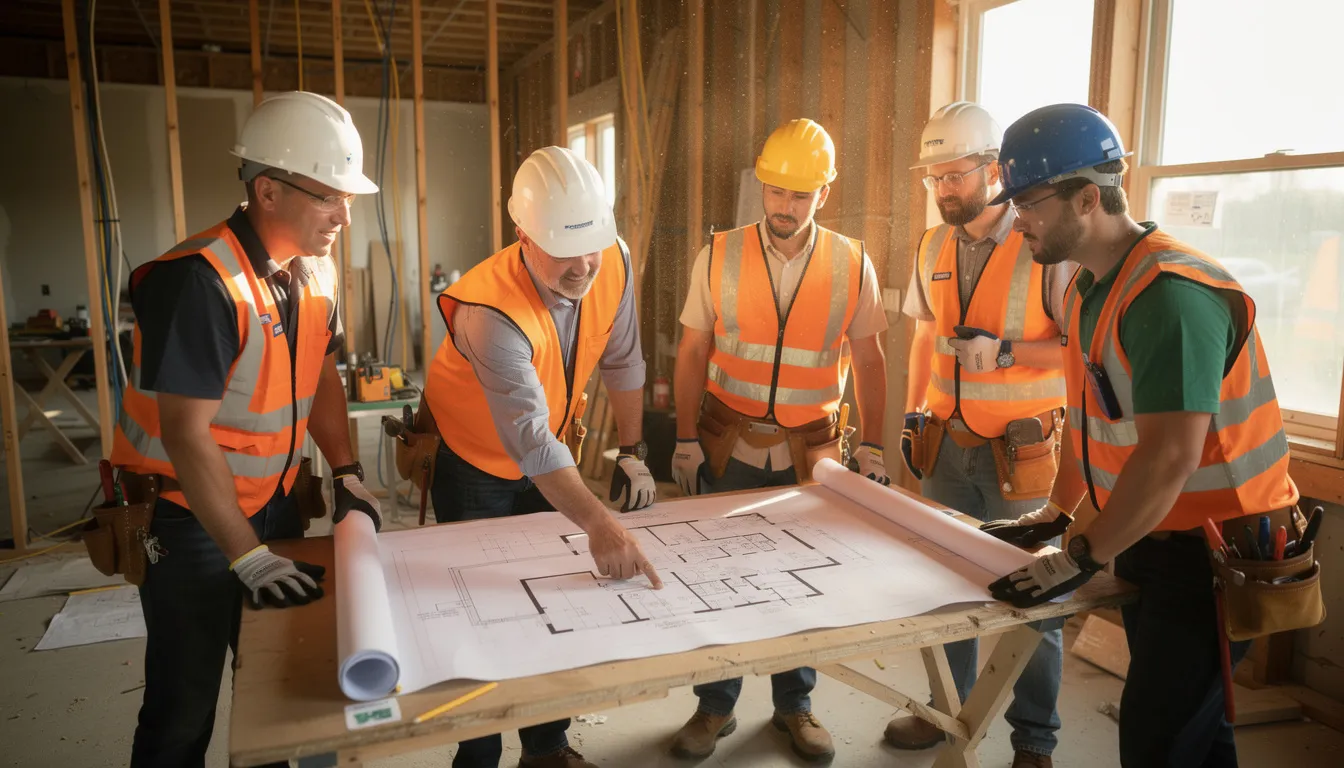
Risk assessment procedures evaluate each potential team member's capability to handle specific renovation phases. This systematic approach reduces project delays and quality issues that often plague fix and flip ventures managed without proper vetting procedures. Financial preparation procedures include obtaining pre-approval letters and creating 6-month cash flow projections that account for purchase costs, renovation expenses, and holding costs. This preparation enables quick decision-making when profitable deals become available.
Property Acquisition SOPs
Property acquisition represents the most critical phase of any flip project, where mistakes rarely can be corrected later. Systematic acquisition SOPs ensure thorough property evaluation and accurate financial analysis before committing to purchase agreements.
Property Evaluation Checklists
Professional property evaluation requires comprehensive inspection protocols covering 47 specific points from foundation systems to roof conditions. These standardized checklists prevent costly surprises during the renovation phase and ensure accurate repair cost estimates.
Structural Assessment Requirements:
Foundation integrity evaluation including settlement signs and moisture issues
Roof condition assessment covering materials, gutters, and structural support
Load-bearing wall evaluation identifying potential layout modification opportunities
Electrical system inspection ensuring minimum 200-amp service capacity
Systems inspection procedures examine HVAC functionality, plumbing infrastructure, and electrical compliance with current codes. Environmental concerns checklists identify potential mold, asbestos, lead paint, and soil contamination risks that could impact renovation budgets or legal liability. The cosmetic evaluation matrix rates kitchen, bathroom, flooring, and exterior conditions on a 1-10 scale, providing objective data for renovation planning. This systematic assessment helps determine whether properties qualify for minimal "wholetail" improvements or require extensive rehabilitation.
Financial Analysis Procedures
Accurate financial analysis determines project viability through systematic ARV calculations and expense projections. Offer calculation procedures typically use the 70% rule with detailed expense worksheets, though sophisticated operations refine this formula based on local market conditions and transaction costs. For more tips on financing your flip projects, see Flipping Houses on a Tight Budget: How to Stretch Your Cash and Still Make a Profit.
ARV Calculation Protocol:
Weighted average of 5+ comparable properties adjusted for condition differences
Recent sales data within 0.5 miles and 90 days maximum timeframe
Square footage, bedroom/bathroom count, and finish level adjustments
Outlier removal ensuring conservative valuation estimates

Renovation cost estimates should include contractor quotes plus a 20% contingency for unforeseen issues, while holding costs must cover mortgage payments, property taxes, insurance, utilities, and maintenance over a 4-6 month period. Profit margins need to be at least 15-20% before proceeding, and due diligence requires professional inspections within 7-10 days, with attorney review for contracts over $300K to protect investors from unfavorable terms.
Renovation Management SOPs
Effective renovation management transforms acquisition opportunities into marketable properties through systematic project planning and contractor coordination. These SOPs ensure renovation projects stay on budget and schedule while meeting quality standards.
Scope of Work Development
Detailed scope of work development creates the blueprint for successful renovation execution. Project planning procedures require comprehensive material specifications and realistic timelines based on trade sequencing and permit requirements.
Scope Development Components:
Room-by-room renovation plans specifying materials, finishes, and quality standards
Timeline creation with critical path analysis identifying 4-6 week renovation schedules
Material ordering procedures ensuring 10-14 day lead times for custom items
Quality control checkpoints at 25%, 50%, 75%, and 100% completion milestones
Permit acquisition protocols identify required approvals and inspection schedules before work begins. Local regulations vary significantly, making systematic permit research essential for avoiding delays and compliance issues that can derail project timelines. The renovation plan must align with target buyer expectations and neighborhood standards. Over-improvement wastes resources while under-improvement reduces selling price potential, making market-appropriate renovation planning crucial for maximizing profit margins.
Contractor Coordination Protocols
Progress monitoring systems establish accountability through weekly contractor meetings and photographic documentation. Change order management procedures require written approval for costs exceeding $500, preventing budget overruns that erode profit margins.
Daily Management Procedures:
Photo documentation and progress reports for all active work areas
Payment schedules tied to completion milestones and inspection approvals
Issue escalation procedures for delays exceeding 48 hours
Final walkthrough checklists ensuring quality standard compliance
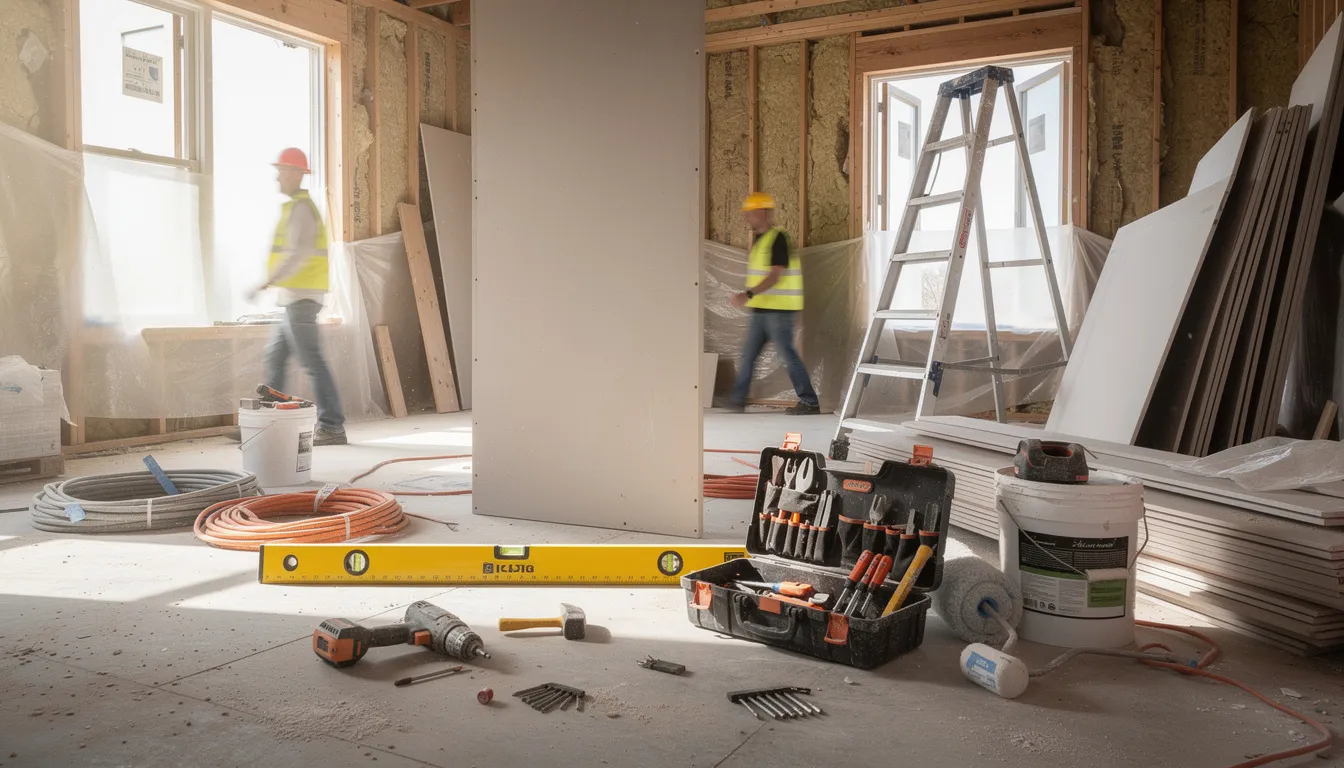
Effective project management requires clear communication channels and documented accountability measures. Daily check-in procedures create transparency while payment milestone structures incentivize timely completion and quality workmanship. Budget overrun protocols automatically trigger review procedures when costs exceed $1000 above original estimates. This early warning system allows corrective action before projects consume contingency reserves or threaten overall profitability.
Marketing and Sales SOPs
Professional marketing and sales procedures maximize selling price while minimizing time on market. Systematic presentation standards and sales processes ensure consistent results across all flip projects.
Property Presentation Standards
Staging protocols ensure furniture rental and professional photography within 7 days of construction completion. First impressions significantly impact buyer interest and offer prices, making systematic presentation preparation essential for optimal results.
Presentation Requirements:
Professional cleaning checklist covering all surfaces, fixtures, and outdoor areas
Staging specifications including neutral furniture, artwork, and accessory placement
Photography requirements capturing high-resolution images of 20+ rooms and exterior angles
Virtual tour creation using 3D scanning technology for enhanced online marketing
Pricing strategies utilize comparative market analysis and real estate agent consultation procedures to establish optimal listing prices. Market analysis should reflect current conditions rather than historical data, ensuring competitive positioning that attracts potential buyers quickly. Marketing timeline procedures require multiple listing service entry within 3 days of completion and open house scheduling within the first week. Quick market entry capitalizes on renovation momentum and prevents carrying cost accumulation.
Sales Process Management
Showing coordination procedures establish professional standards including 24-hour advance scheduling and systematic feedback collection. This data helps refine marketing messages and identify presentation improvements.
Sales Management Protocols:
Offer review procedures evaluating buyer qualification, contingencies, and closing probability
Negotiation strategies maintaining target sale price within 5% of listing amount
Contract management ensuring all contingencies are met within specified timeframes
Backup offer procedures maintaining secondary buyer interest

Offer evaluation criteria consider financing terms and closing timeline preferences alongside purchase price. Cash offers and conventional financing typically provide more certainty than FHA or VA loans, though specific market conditions may favor different buyer types. Experienced real estate investors maintain relationships with qualified real estate agents who understand investor needs and market to appropriate buyer segments. Agent selection significantly impacts marketing effectiveness and sales velocity.
Project Closure SOPs
Systematic closure procedures ensure smooth transitions from renovation completion to new ownership while capturing critical performance data for future improvements.
Final Inspection and Closing Preparation
Final inspection procedures include comprehensive buyer walkthroughs and issue resolution protocols. Closing preparation checklists coordinate document review and fund management to prevent last-minute complications.
Closure Documentation:
Final cost accounting comparing actual expenses to budgeted amounts
Profit calculation including all transaction costs and holding expenses
Tax documentation preparation with receipts and depreciation schedules
Warranty management procedures for 12-month coverage on major systems
Post-sale documentation requirements include detailed profit/loss analysis and lessons learned reports that inform future project decisions. This systematic review process drives continuous improvement in acquisition criteria and renovation procedures.
Financial Reconciliation Procedures
Accurate financial reconciliation measures actual performance against projected returns, providing data for refining underwriting assumptions. Return on investment analysis should measure performance against 15-20% target returns established during acquisition.
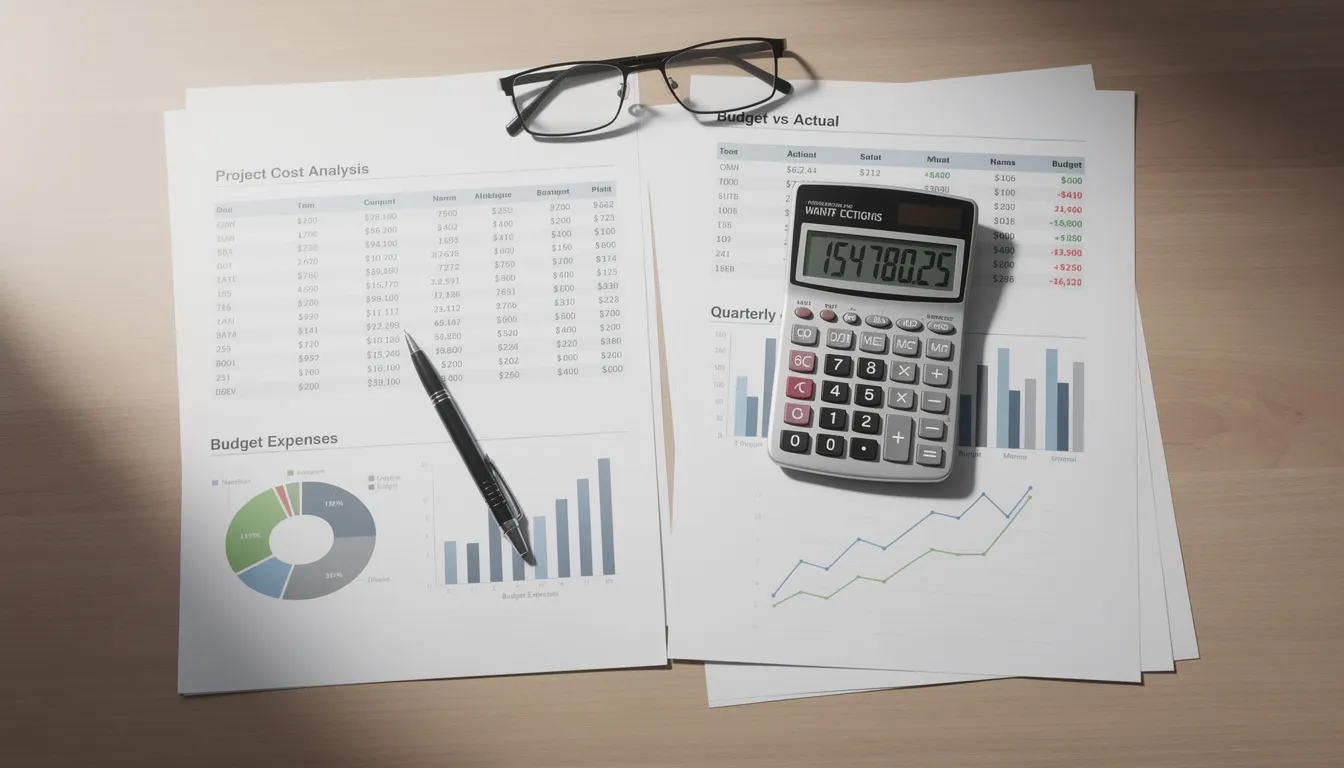
Variance analysis identifies specific areas where actual costs exceeded budgets, enabling more accurate future estimates. Common variance sources include permit delays, unforeseen structural issues, and scope creep during renovation phases. Tax implications require proper documentation of all improvement investments and transaction costs. Professional tax consultation helps maximize deductions while ensuring compliance with real estate investment regulations.
Quality Control and Documentation SOPs
Comprehensive documentation systems and quality control procedures ensure legal compliance while capturing knowledge for operational improvements.
Record Keeping Requirements
Document management systems are important for maintaining digital files for all contracts, permits, and inspection records throughout project lifecycles. Organized record keeping protects against legal challenges while providing audit trails for lenders and tax authorities.
Documentation Standards:
Project file organization with digital folders for acquisitions, renovations, and sales documents
Financial tracking spreadsheets monitoring expenses, payments, and profit margins
Contractor performance evaluations documenting quality, timeliness, and budget adherence
Legal compliance documentation ensuring proper permits and warranty transfers
Photo documentation requirements capture before, during, and after renovation states for insurance purposes and marketing materials. This visual record helps demonstrate improvement value and protects against liability claims. Compliance monitoring ensures all renovation work meets local building codes and permit requirements. Regular inspection scheduling prevents code violations that could delay sales or create legal liability.
Continuous Improvement Protocols
Post-project reviews analyze timeline accuracy, budget performance, and quality outcomes to refine future procedures. SOP updates incorporate lessons learned and industry best practice changes as markets and regulations evolve.
Performance Analysis:
Team performance evaluations identifying training needs and process improvements
Market analysis updates reflecting changing conditions and competitive landscape shifts
Contractor database maintenance tracking reliability and quality metrics
Financial model refinements based on actual project performance data

Systematic performance tracking enables real estate investors to identify successful practices and eliminate ineffective procedures. This data-driven approach improves profit margins and reduces project risks over time. The house flipping checklist should evolve based on actual project experience rather than remaining static. Regular SOP reviews ensure procedures remain relevant and effective as business operations scale and market conditions change.
Conclusion
Implementing comprehensive SOPs for flipping projects turns real estate investing into a systematic business, reducing errors and enabling consistent profits. By following documented procedures from market research to final sale, investors can scale operations, manage multiple renovations efficiently, and achieve quality results with healthy profit margins. Starting with pre-project planning and acquisition SOPs and expanding to renovation and sales processes lays a strong foundation for long-term success in house flipping.