Most Effective Strategies for Real Estate Advertising That Get Results
Introduction
Real estate advertising isn't just about getting eyeballs on listings anymore—it's about creating trust, authority, and connections. Whether you're an agent filling your pipeline, a wholesaler seeking motivated sellers, or an investor building a brand to attract private lenders, advertising powers your business. This guide explores proven, modern, and creative ways to advertise effectively, combining timeless strategies like direct mail with digital ads, SEO content, and new listing promotions. By collaborating with other agents and local professionals, leveraging automation tools, and focusing on high-converting campaigns, you can increase visibility, engagement, and dominate your market in 2026.

Understanding Real Estate Advertising
What Is Real Estate Advertising?
Real estate advertising refers to the strategic promotion of real estate services, properties, and investment opportunities through multiple marketing channels. It's a blend of data, psychology, and creative storytelling aimed at attracting buyers, sellers, or partners.
Why It's More Important Than Ever
Competition is fierce. With so many investors and agents targeting the same leads, your advertising must cut through the noise. The right campaign can position you as a local expert and create instant credibility—something that cold calls or generic posts can't accomplish alone.
Core Goals of Real Estate Advertising
Generate Leads: Bring in homeowners, buyers, or investors ready to take action. Generate new leads through community engagement and sponsorships, such as supporting local youth sports or arts programs. To learn more about the best strategies to generate leads for your business, see The Secret to Consistently Generating Motivated Seller Leads.
Build Authority: Create brand trust and recognition and brand recognition in your local or niche market.
Nurture Relationships: Keep prospects engaged through consistent, valuable messaging.
Close Deals Faster: Well-targeted ads shorten the sales cycle by pre-qualifying leads.
Developing a Real Estate Marketing Plan
A well-crafted real estate marketing plan is essential for success in today's competitive housing market. Agents and investors should clearly understand their target audience and set measurable goals for their campaigns, blending traditional and digital strategies to reach potential buyers wherever they are. Utilize tools like Google Ads to capture high-intent leads, email marketing to nurture relationships, and social media marketing to share high-quality images, virtual tours, and engaging ad copy that make listings stand out. Building a strong personal brand focused on trust and expertise will attract more leads and differentiate you from the competition. Regularly review and adjust your plan to prioritize visibility and value, creating a dynamic marketing engine that consistently generates leads and closes deals.
Types of Real Estate Advertising
1. Traditional Advertising
Traditional marketing continues to deliver strong ROI, particularly in local markets. Effective methods include direct mail campaigns featuring handwritten letters, postcards, and yellow letters that specifically target motivated sellers such as those facing probate, tax delinquency, or pre-foreclosure. Yard signs and billboards with messages like "We Buy Houses" help build community visibility, while print media—including local magazines and neighborhood flyers—remain effective in small-town settings. For even better results, pairing these traditional mailers with digital retargeting strategies can significantly multiply response rates and engagement.
2. Digital Advertising
Digital marketing allows you to reach thousands of targeted prospects for pennies on the dollar compared to print. If you're not already using digital advertising for your business- you should be; to learn more, see Top Strategies in Digital Marketing for Real Estate Investing.
Google Ads (PPC): Capture intent-driven searches like "sell my house fast in Dallas".
Facebook & Instagram Ads: Build awareness through visuals, testimonials, and retargeting campaigns.
YouTube Ads: Perfect for building a recognizable brand and showcasing testimonials or deal walkthroughs.
Display & Retargeting Ads: Keep your brand in front of anyone who visited your website or landing page.

3. Organic Marketing (SEO & Content)
Content marketing is a long-term strategy that continually delivers value by creating SEO-optimized blogs, neighborhood guides, and video content. Targeting local keywords like "cash home buyers in [city]" or "probate real estate leads [state]" helps rank your site and attract motivated buyers and sellers organically, supporting your overall real estate advertising efforts.
Building the Foundation: Key Elements of a Winning Ad
1. Know Your Audience
Different lead types require different tones and strategies:
Sellers in distress: Use empathy and simplicity.
Buyers or investors: Focus on opportunity and ROI.
Landlords: Highlight convenience and property management solutions.
2. Craft Emotional Headlines
The headline is your first impression. Make it powerful:
"Sell Your House As-Is—Fast and Fair"
"Tired of Tenants? Get a Cash Offer in 24 Hours."
"We Help Heirs Sell Inherited Homes Quickly."
3. Use Visuals That Tell a Story
Professional photos, before-and-after renovations, or a quick video testimonial can increase engagement by over 300%. Schedule photo shoots during times with optimal natural light, such as mid-morning or late afternoon, to make listing images more appealing and inviting. Additionally, using video walkthroughs to showcase property features can further increase engagement and attract more attention to your listing.
4. Include a Clear CTA
Never end an ad without a clear call to action. Examples include prompts like "Call now for your free offer," "Get your cash offer in minutes," or "See how much your home is worth—no obligation," which guide potential clients toward the next step.
High-Performing Channels for Real Estate Advertising
1. Google Ads for Real Estate Professionals
Google Ads remains one of the most effective tools for investors and agents because it captures active intent. Focus on:
Exact-match keywords: e.g., "sell my house fast Milwaukee"
Location targeting: limit ads to your target counties or ZIP codes
Landing pages: Keep them fast, mobile-friendly, and lead-focused
2. Facebook & Instagram Advertising
Social media ads allow precise audience targeting by creating specific audience segments such as homeowners, landlords, and heirs. Utilizing video ads or carousel formats enhances engagement, while retargeting users who have visited your website or interacted with your posts helps maintain brand awareness and encourages further interaction. For more tips on expanding your advertising ot social media platforms, see Essential Social Media Marketing for Real Estate Investors: Top Tips.
3. YouTube Video Ads
Show your face, build credibility, and use storytelling to connect with your audience on a personal level. For example, walk viewers through a "real deal" you closed, sharing the challenges and successes along the way, or explain how your process helps sellers avoid foreclosure and achieve their goals. By sharing your own story and experiences, you humanize your brand, build trust, and make your advertising more relatable and memorable to potential clients.
4. Direct Mail (Still King for Investors)
Direct mail remains one of the highest-ROI strategies, especially when combined with skip tracing and automation to target the right prospects effectively. By personalizing letters using variable data printing, sending multiple follow-up rounds—typically three to five per list—and testing different formats such as postcards versus handwritten letters, you can significantly boost response rates and improve the overall effectiveness of your campaigns. These thoughtful approaches help maintain engagement and increase the chances of converting leads into clients. If you need a refresh on how to put together a powerful direct mail campaign, read Real Estate Mail Campaigns: The Secret Weapon for Generating Motivated Seller Leads.
5. Email & SMS Follow-Up
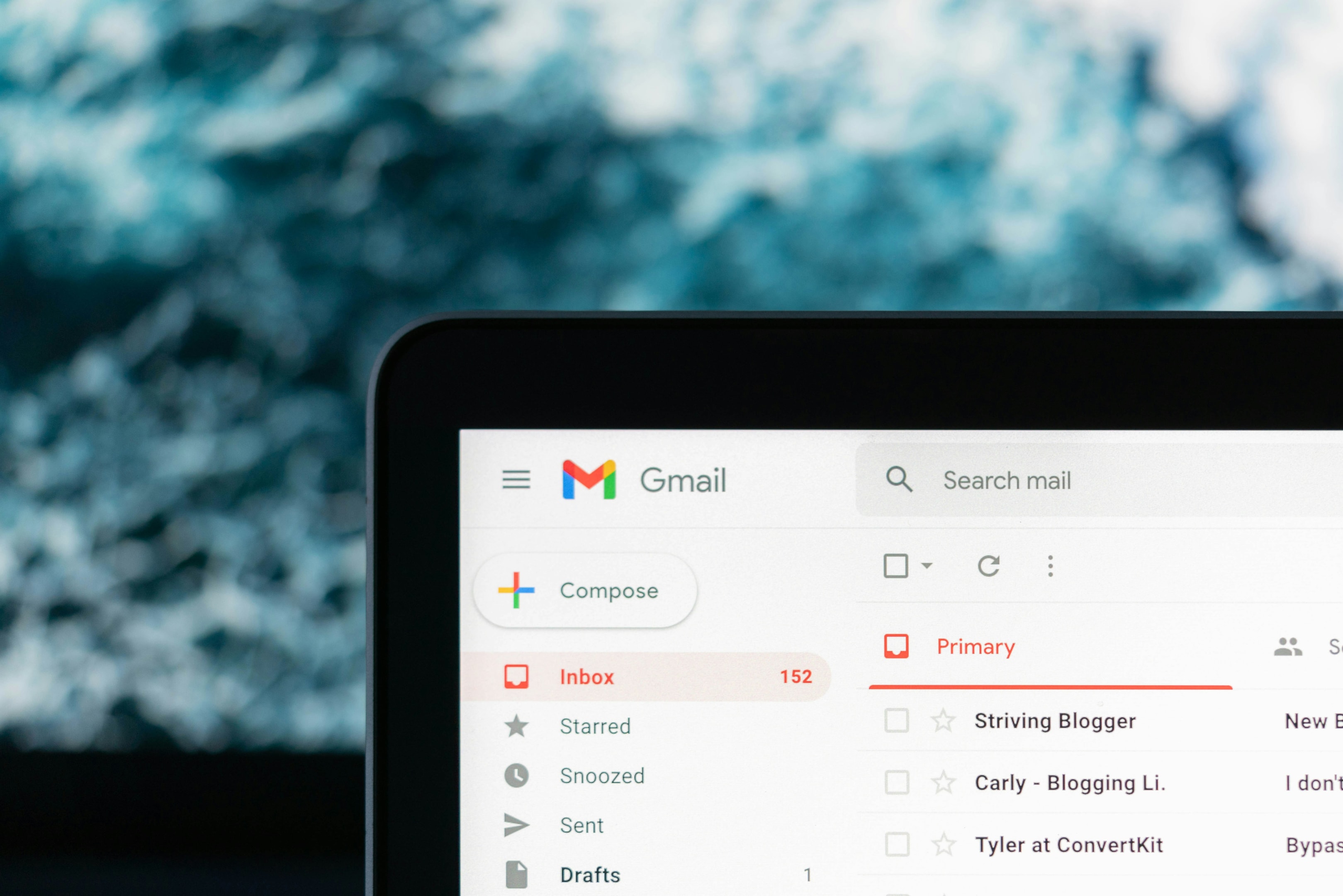
Use email and text marketing to nurture leads after initial contact with a 3-step follow-up sequence that often converts hesitant sellers into signed deals. Re-engage unresponsive leads using targeted messages featuring refreshed content and offers, while avoiding ad fatigue by varying your messaging and not repeating the same ad in follow-up campaigns.
Advanced Advertising Strategies for Real Estate Investors
1. Leverage Data for Smarter Targeting
Use lead data sources like USLeadList, county records, and skip-trace tools to identify high-equity, absentee, or inherited property owners. These data-driven insights allow you to focus your advertising budget on the most promising prospects, increasing your chances of generating qualified leads. By targeting specific owner profiles, you can tailor your messaging to address their unique needs and motivations, making your campaigns more effective and efficient.
2. Implement Retargeting
Not everyone converts the first time they see your ad. Implement retargeting strategies to keep your brand and listings in front of previous visitors until they're ready to take action. Retargeting helps nurture interested buyers by reminding them of your services or properties, increasing brand recall and encouraging engagement. Use dynamic ads or personalized messages to re-engage these warm leads and guide them further down the sales funnel. If you have never run a retargeting campaign and are interested in learning how this can be beneficial to target motivated sellers, see Boost Your Sales with an Effective Real Estate Retargeting Campaign.
3. Create Landing Pages for Each Campaign
Instead of sending leads to your generic homepage, build dedicated landing pages tailored to specific lists or campaigns, such as "Probate Sellers in Houston" or "Tired Landlords in Atlanta." These focused pages offer relevant content and calls to action that resonate with the targeted audience, improving conversion rates. Custom landing pages also help track the effectiveness of individual campaigns, providing valuable data to optimize future marketing efforts.
4. Build a Brand Funnel
Your funnel should look like this:
Awareness (ads, mailers)
Engagement (landing page or call)
Follow-up (text/email automation)
Conversion (contract or appointment)
Local Real Estate Advertising Tactics
1. Dominate Local Search
Claim your Google Business Profile and optimize it for highly relevant and localized search phrases like "cash home buyers near me" or "sell inherited house [city]." Regularly update your profile with fresh photos, client reviews, and posts to boost visibility. This helps your real estate business appear prominently in local map results and organic search, making it easier for motivated sellers and buyers in your area to find and trust you.
2. Join Neighborhood Facebook Groups
Engage authentically in neighborhood Facebook groups by offering valuable advice, answering questions, and participating in conversations instead of just posting ads. This subtle approach helps you build recognition and trust within the local community. By becoming a helpful and active member, you position yourself as a go-to real estate professional who genuinely understands the needs and interests of your potential clients.

Luxury Real Estate Marketing
Marketing luxury real estate demands a refined approach that highlights the unique features and exclusivity of high-end properties. Luxury agents must use high-quality photography, immersive virtual tours, and compelling ads on social media platforms and Google Ads to reach affluent clients effectively. Building a strong luxury presence involves targeted advertising, personalized service, discretion, and attention to detail, establishing trust and authority in the market to attract discerning buyers who value both quality and confidentiality.
Budgeting and ROI for Real Estate Ads
1. How Much Should You Spend?
For solo investors or small agencies, $500–$1,000/month is a good start. Scale gradually as your cost per lead (CPL) stabilizes to maximize your budget efficiency and avoid overspending on unproductive campaigns.
2. Tracking and Analytics
Track all metrics—calls, form fills, clicks, and conversions. Use CallRail, Google Analytics, or Salesmate CRM to measure performance and gain insights that help optimize your future marketing campaigns.
3. Focus on ROI, Not Just Leads
A campaign generating fewer but higher-quality leads is often more profitable than one that brings in bulk but low-intent contacts. Prioritize targeting and messaging that attract serious prospects likely to convert into closed deals.
Common Mistakes in Real Estate Advertising
Targeting too wide: Narrow your audience for better ROI.
Ignoring follow-up: 80% of deals happen after the 5th contact.
No A/B testing: Always test ad copy, headlines, and CTAs.
Generic branding: Use your photo, logo, and story to humanize your marketing.
Neglecting mobile optimization: Most users will see your ads on their phones.
Not making your ads stand out: In a crowded market, ensure your ads stand out by using compelling visuals and unique selling points to capture attention.
Using demographic labels like 'family oriented': Avoid terms like 'family oriented' in your ad copy. Instead, highlight features and lifestyle benefits that appeal to a broader audience.
Emerging Trends in Real Estate Advertising
1. AI-Powered Predictive Targeting
AI tools now identify which homeowners are most likely to sell within 90 days—based on age, equity, or recent life events. This allows real estate professionals to focus their advertising efforts more efficiently, targeting those with the highest potential to convert into leads.
2. Personalized Video Outreach
Short, customized videos outperform standard emails by over 200%. Tools like BombBomb or Loom make this easy, enabling agents to add a personal touch that builds trust and engagement with prospective clients.
3. Interactive Ads and Chatbots
Clickable, conversational ads that allow users to get instant offers or schedule calls directly through chatbots are rising fast. These interactive experiences keep potential buyers engaged longer and can significantly increase lead generation.
4. Local SEO Domination
Google's local "map pack" is the new frontier. Get reviews, add photos, and post weekly updates to climb the ranks. Consistently optimizing your local SEO presence ensures your real estate business remains visible and competitive in your community.
Staying Up-to-Date with Industry Developments
In the fast-evolving world of real estate marketing, staying current with industry trends and technology is essential to maintain a competitive edge. Real estate agents should regularly update their marketing strategy and digital presence by monitoring housing market shifts, exploring new advertising tools, and leveraging resources like blogs, podcasts, and webinars. Experimenting with tactics such as QR codes, eye-catching visuals, and building a memorable personal brand helps attract qualified leads and build trust in the local market. By staying proactive and adaptable, agents position themselves as forward-thinking leaders with effective, impactful campaigns.

Conclusion
Real estate advertising has evolved from simple listings to a full-scale, data-driven storytelling process where the best campaigns connect emotionally, deliver real value, and build lasting relationships with prospective buyers before ever asking for the sale. To secure consistent deals in 2026 and beyond, it's essential to blend traditional mail strategies with powerful digital channels, invest heavily in timely follow-up, and cultivate a recognizable brand that stands for trust, expertise, and speed; your ads should do more than just showcase properties—they should tell a compelling story that resonates with potential customers and makes them eager to work with you.