Real Estate Tokenization: The Future of Accessible Property Investment
Introduction
Real estate tokenization is rapidly transforming how investors think about property ownership. For decades, real estate has been viewed as a stable—but difficult—asset to break into due to high purchase prices, slow transactions, and limited liquidity, which kept many would-be investors out. Traditional property investment required significant capital and often meant purchasing the entire property, excluding many potential investors. However, tokenization flips that script entirely by enabling ownership of fractional shares of properties, such as $100 worth of a Class A office tower or a portion of a beachfront rental, much like buying shares of a company. Powered by blockchain technology, tokenization divides real estate into digital tokens that anyone can buy, sell, or trade, making property investment more accessible to investors, developers, and industry professionals as the real estate market moves deeper into the digital age.
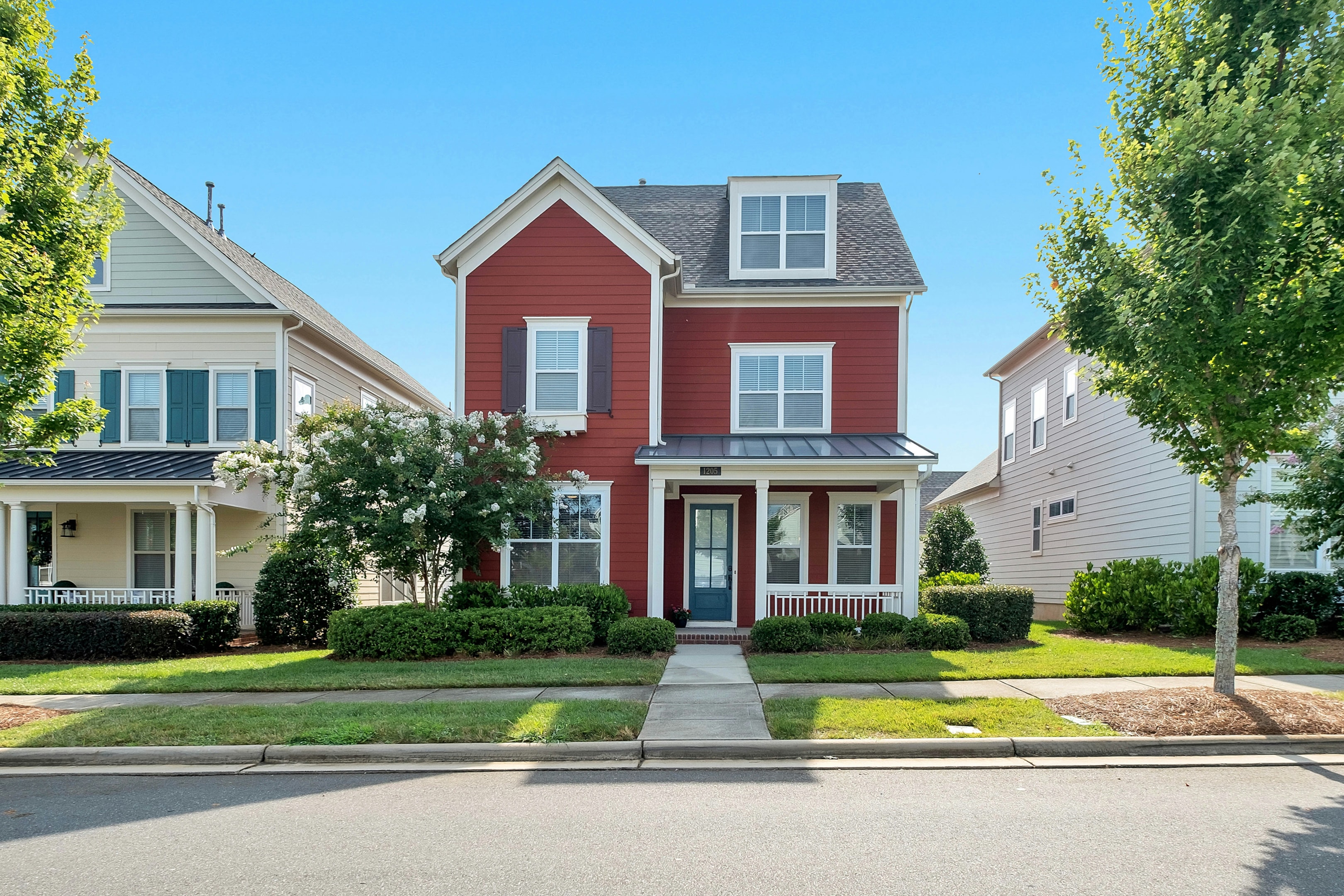
Understanding Real Estate Tokenization
Real estate tokenization converts the rights and ownership of a real estate asset into digital tokens stored on a blockchain. These tokens are a type of digital asset that represent ownership rights in real estate. Each token represents a fractional share of the asset, giving holders actual economic interest—not just theoretical rights.
How It Works
A property is legally structured so its ownership can be divided.
Tokens representing shares of that ownership are created (minted) through a process known as token issuance, which involves minting and distributing tokens on a blockchain platform.
Investors can purchase the tokens digitally.
Income, appreciation, and legal rights are distributed automatically via smart contracts.
Tokenization makes real estate accessible the same way buying stock made business ownership accessible.
How Tokenization Is Reshaping the Real Estate Market
Fractional Ownership for Everyone
You no longer need to be an accredited investor or have $50,000+ to get into real estate. Fractional tokens let everyday investors participate in high-value deals. This model allows retail investors to access opportunities that were previously out of reach.
True Liquidity in an Illiquid Market
Traditional real estate is slow. Real estate has long been considered an illiquid asset class, but tokenization is changing this by enabling faster trading. Selling a property can take months and mountains of paperwork. Tokenized assets, on the other hand, can be traded in minutes on secondary markets—similar to crypto or stock trading.
Lower Barriers = Larger Market
Because tokens lower buy-in amounts:
More investors can participate
Developers can raise funds faster
Global capital can flow more easily, as tokenization enables participation from global investors
Tokenization removes many of the bottlenecks that have held the market back.
Benefits of Real Estate Tokenization
Tokenization isn't just a new trend—it solves real problems and breaks down barriers for people trying to enter the market. One of the key benefits of tokenization is the significant cost savings it offers by streamlining processes and reducing expenses associated with traditional real estate transactions.
Enhanced Accessibility
Anyone with an internet connection and a few dollars can invest. Tokenization is allowing investors to access real estate markets in ways that were not possible before, enabling participation through fractional ownership and digital tokens.
Unmatched Transparency
Blockchain technology offers real-time ownership records, ensuring that property ownership information is always up to date. Its immutable transaction histories provide a secure and tamper-proof record of all transactions, while the fully auditable data enhances transparency and accountability. Together, these features remove guesswork and significantly reduce the risk of fraud in real estate tokenization.
Faster, Smoother Transactions
Smart contracts automate various processes such as distributions, property transfers, dividend payouts, and compliance steps. By automating and streamlining property transfers, tokenization makes transactions faster and more efficient, significantly cutting down on legal delays and administrative costs.
Reduced Costs
By eliminating middlemen like brokers, escrow agents, and excessive bank involvement, tokenization lowers transaction fees dramatically. Tokenization can also streamline or reduce the need for traditional title companies in property transactions, as blockchain and smart contracts can handle title transfer processes more efficiently.
Types of Real Estate Assets That Can Be Tokenized
Tokenization applies to virtually every category of real estate. This includes physical assets such as land, buildings, and other tangible properties.
Residential
Single-family homes
Duplexes and triplexes
Short-term rentals
Multifamily apartments
Commercial
Office towers
Medical buildings
Shopping centers
Hotels
Industrial
Warehouses
Storage facilities
Distribution centers
Land and Development
Farmland
Vacant land
Future development sites
From small properties to billion-dollar projects, tokenization accommodates all.
Utility Tokens vs. Security Tokens
Understanding token types is crucial for compliance and investing. Security tokens are considered financial instruments and are subject to relevant regulations.
Utility Tokens
Used primarily to provide access to platform features or specific benefits, utility tokens are not tied to ownership or revenue from the underlying real estate asset. Instead, they function as digital keys or credits within a tokenization ecosystem, enabling holders to participate in services such as voting on platform decisions, accessing exclusive investment opportunities, or receiving discounts on fees. Unlike security tokens, utility tokens do not confer any legal claim to property ownership or income, making them distinct in their purpose and regulatory treatment. They play a crucial role in supporting the functionality and engagement within real estate tokenization platforms but should not be confused with tokens that represent actual equity or financial interest in a property.
Security Tokens
Directly linked to equity, rental income, profit shares, and appreciation, security tokens—also known as digital securities—are recognized under legal frameworks in jurisdictions like Luxembourg and Switzerland. These tokens represent ownership and must comply with securities laws, which is why most real estate tokenization falls under this category.

Blockchain's Role in Real Estate Tokenization
Blockchain isn't just the tech behind cryptocurrency—it's the infrastructure that makes tokenization possible. Blockchain technology is at the core of real world asset tokenization, enabling the digital representation of tangible assets like real estate.
Why Blockchain Matters
It verifies ownership without a central authority. Digital tokens representing real estate are classified as crypto assets under many regulatory frameworks.
It prevents tampering or fraud.
It ensures transparency and security at scale.
Smart Contracts Automate Everything
Smart contracts are digital agreements that automatically execute and distribute rental income, sale proceeds, voting rights, profit shares, and other economic rights such as income or property shares. They ensure accurate, transparent, and automatic distribution of these benefits to token holders, enhancing trust and efficiency in real estate tokenization.
The Tokenization Process: Step-by-Step
Tokenization follows a structured process: Tokenizing real estate assets involves several key steps to ensure compliance, transparency, and efficiency.
1. Property Identification
A high-quality asset is selected based on ROI, location, stability, and demand. The process begins with identifying a suitable real estate property for tokenization.
2. Legal and Financial Structuring
A legal entity (often an LLC or SPV) holds the property. This step ensures compliance with:
Real estate laws
Securities regulations
Investor protections
Legal framework
Clear legal framework
A clear legal framework provides legal certainty for investors and project sponsors.
3. Token Creation
The property's value is divided into digital tokens representing ownership shares. This process is known as token issuance, resulting in the creation of a digital token for each fractional share. Each digital token represents a tokenized real estate asset on the blockchain.
4. Investor Distribution
Tokens are offered to investors through private placements, crowdfunding portals, and tokenization platforms. Token holders receive a fractional ownership stake in the underlying property, allowing investors to benefit from proportional rights to rental income and property appreciation.
5. Secondary Trading
Once regulations allow, tokens can be traded on open markets—similar to selling shares. This secondary market trading enhances liquidity and offers investors the flexibility to buy or sell their fractional ownership stakes with ease.

Tokenization Platforms: What They Do
Tokenization platforms serve as the backbone for issuing, managing, and trading tokens. Some tokenization platforms also offer asset management services and may collaborate with strategy consulting firms to optimize investment strategies and platform operations.
Key Responsibilities
Token creation
Compliance management
Investor onboarding (KYC/AML)
Smart contract deployment
Marketplace access
What Investors Should Look For
Security and audits
Regulatory compliance
Transparency of property details
Fees and trading rules
Governance and investor rights
Choosing a trustworthy platform is crucial for safety and returns.
Risks and Challenges of Tokenized Real Estate
Tokenization offers huge benefits, but it also comes with challenges. This affects: regulatory uncertainty can impact investor protection and the enforceability of rights, making it crucial for legal frameworks to address these concerns.
Regulatory Uncertainty
Many countries are still developing tokenization guidelines. The regulatory environment for tokenized real estate is evolving, creating uncertainty for investors and project developers. This affects:
Who can invest
Where tokens can be traded
How projects are structured
Adoption and Awareness
Traditional investors may be slow to adopt blockchain-based assets. This hesitancy often stems from unfamiliarity with the technology and concerns about regulatory uncertainty.
Technology Risks
Poor smart contract development or security vulnerabilities can cause losses. Ensuring rigorous testing and audits is essential to mitigate these risks and protect investor funds.
Market Volatility
Although less volatile than crypto, tokenized assets still depend on investor demand. Market fluctuations can impact token prices, making it important for investors to understand these dynamics.
Legal Considerations
Investors must understand that tokenized real estate is still governed by traditional laws, making legal compliance essential for real estate transactions, investments, and property asset management. Key areas include securities regulations, accredited investor requirements, tax treatment of digital assets, voting and governance rights, and custody of digital tokens. Ensuring adherence to these legal frameworks is non-negotiable for tokenized investment projects to operate securely and effectively.

Real-World Use Cases of Tokenized Real Estate
Tokenization is not hypothetical—it's already in motion around the world. Numerous real estate projects and tokenized real estate projects have been launched, demonstrating the practical application of tokenization to real world assets.
Examples Include:
Luxury condo buildings sold via fractional tokens
Hotels raising capital through token issuances
Commercial buildings offering profit-sharing through tokens
Blockchain-based REIT alternatives offering global access
These early use cases demonstrate the long-term viability of tokenized real estate.
How Investors Can Get Started with Tokenized Real Estate
1. Research Trusted Platforms
Start with platforms that have:
Clear regulatory frameworks
Real audited properties
Transparent documentation
2. Review Property Fundamentals
Even though tokens are digital, the underlying asset is real and should be carefully evaluated. Consider factors such as the property's income, cash flow, expenses, market performance, and the quality of its location to make informed investment decisions.
3. Understand Token Structure
It is important to understand what the token offers. Determine if the token provides income and what rights you hold as a token owner. These tokens confer digital ownership of a share in the underlying property, but you should also check if there are any restrictions on withdrawals or transfers.
4. Start Small
Many platforms allow micro-investing starting at $10–$100, making it easier than ever for individuals to enter the real estate market. This low minimum investment requirement opens the door to a wider range of investors, including those who previously found traditional real estate deals inaccessible.
5. Diversify
Spread your investment across multiple tokenized assets for stability. Diversification can also include exposure to different asset classes, such as real estate, gold, or Treasury bills, through tokenization.
The Future of Real Estate Tokenization
The next decade will likely bring explosive growth. In the near future, tokenizing real estate is expected to become mainstream and transform the real estate industry by enabling more efficient, transparent, and accessible property transactions. Tokenization is bridging the gap between traditional finance and blockchain-based real estate investment, allowing for seamless integration of innovative technologies with established financial systems. Tokenizing real estate and other real world assets is attracting attention from regulators and industry leaders, who recognize its potential to revolutionize investment strategies and liquidity. The Dubai Land Department, Virtual Assets Regulatory Authority, and Dubai Future Foundation are at the forefront of pioneering regulatory frameworks that legitimize and enable tokenized real estate transactions. As tokenization becomes more widespread, property owners will benefit from increased liquidity and new revenue streams, further accelerating adoption across the sector.
Expected Trends
Increased regulation will add legitimacy
Institutions will adopt tokenized portfolios
Global marketplaces will grow
Secondary trading volume will expand
More developers will use tokenization for capital raising
Adoption and trading of real estate tokens will increase, enabling fractional ownership and new investment opportunities
Tokenization makes real estate more inclusive, efficient, and global. The shift has already begun—and those who understand it early will benefit the most.

Conclusion
Real estate tokenization is more than a new concept—it's a complete reimagining of how people invest in property. By breaking assets into digital tokens, it allows for fractional ownership, fast transactions, lower entry barriers, and global access. Tokenizing real estate is revolutionizing the way people invest in property by leveraging blockchain technology to create digital tokens that represent ownership, making transactions more efficient and accessible. For investors who want to participate in real estate without needing huge amounts of capital or dealing with outdated systems, tokenization offers a modern, efficient, and highly accessible solution. As the technology matures, tokenized real estate is poised to become one of the most powerful investment tools of the future. To learn more about the future of real estate investing, see The Future of Real Estate Investing: How Technology, Demographics, and New Models Are Rewriting the Playbook.