Wholesaling Land vs Houses: Which Investment Strategy Suits You Best?
Introduction
Wholesaling is a popular entry point into real estate investing where investors find discounted properties, secure contracts, and resell those contracts to other investors for profit—requiring no credit, licenses, and very little capital if done right. While most start with wholesaling houses, wholesaling land is growing rapidly due to its simplicity and unique advantages. Both strategies can be highly profitable and operated from anywhere, but each has distinct pros and cons that suit different income goals, personalities, and long-term visions. This guide provides a detailed comparison of wholesaling land vs wholesaling houses to help you choose the best strategy for your needs.
Understanding Real Estate Wholesaling
Wholesaling is a simple concept—but mastering it takes skill.
What Is Wholesaling in Real Estate?
Wholesaling real estate is a specific investment strategy where investors find discounted properties, secure contracts with motivated sellers, and then resell those contracts to other investors for profit. In wholesaling, you:
Find a motivated seller willing to sell at a discount.
Get the property under contract at a price attractive to investors.
Assign the contract or resell the deal to another buyer (usually a cash investor or developer) for a profit.
You're getting paid for finding opportunity, solving problems, and connecting the dots.
Why Compare Land vs Houses?
Most beginners assume wholesaling houses is the only path to success in real estate wholesaling, but the truth is that each option has its unique advantages. Land often experiences less competition, making it easier to find motivated sellers, while houses typically have stronger buyer demand, leading to quicker sales. Additionally, land deals usually involve simpler inspections and fewer complications, whereas houses can be easier to value due to abundant comparable sales data. By understanding these key differences, you can better tailor your wholesaling business to fit your lifestyle, budget, and preferred level of complexity, ultimately increasing your chances of building a successful and sustainable real estate investing career.
Wholesaling Houses: The Complete Breakdown
Wholesaling houses is the traditional approach, and for good reason. However, unlike traditional real estate investing, which focuses on long-term property appreciation, rental income, and building wealth over time, wholesaling is typically a shorter-term strategy.
What Types of Houses Are Typically Wholesaled?
You'll mostly encounter:
Distressed single-family homes
Inherited houses with outdated interiors
Vacant rentals, often with problem tenants
Pre-foreclosures and heavily discounted homes
Major fixer-uppers that flippers love
These properties typically can't sell retail—giving you an opportunity to step in.
Why Sellers Want to Sell Quickly
Motivated sellers may be experiencing:
Foreclosure
Divorce
Bankruptcy
Tax delinquency
Job relocation
Property damage
Landlord fatigue
These situations create urgency, and wholesalers provide a fast cash solution. To learn more about handing these difficult situations as a real estate professional, see Foreclosure Leads: Your Guide to Finding Profitable Opportunities and Tax Delinquent Property Leads: The Hidden Goldmine for Real Estate Investors.
Who Buys Wholesale Houses?
Typical end buyers include:
Fix & flip investors
BRRRR investors
Buy-and-hold landlords
Hedge funds (depending on the city)
Owner-occupants willing to renovate
Identifying and attracting potential buyers is a crucial step in the wholesaling process, as it ensures you can connect motivated sellers with investors interested in these opportunities. Because so many investors buy distressed houses, your buyers list can grow quickly.
Wholesaling Land: The Complete Breakdown
Wholesaling land requires a different mindset—but the simplicity often surprises investors. Wholesaling lots, as an alternative to wholesaling houses, presents unique challenges and opportunities, such as understanding the needs of land investors and navigating different buyer networks.
Types of Land Deals You Can Wholesale
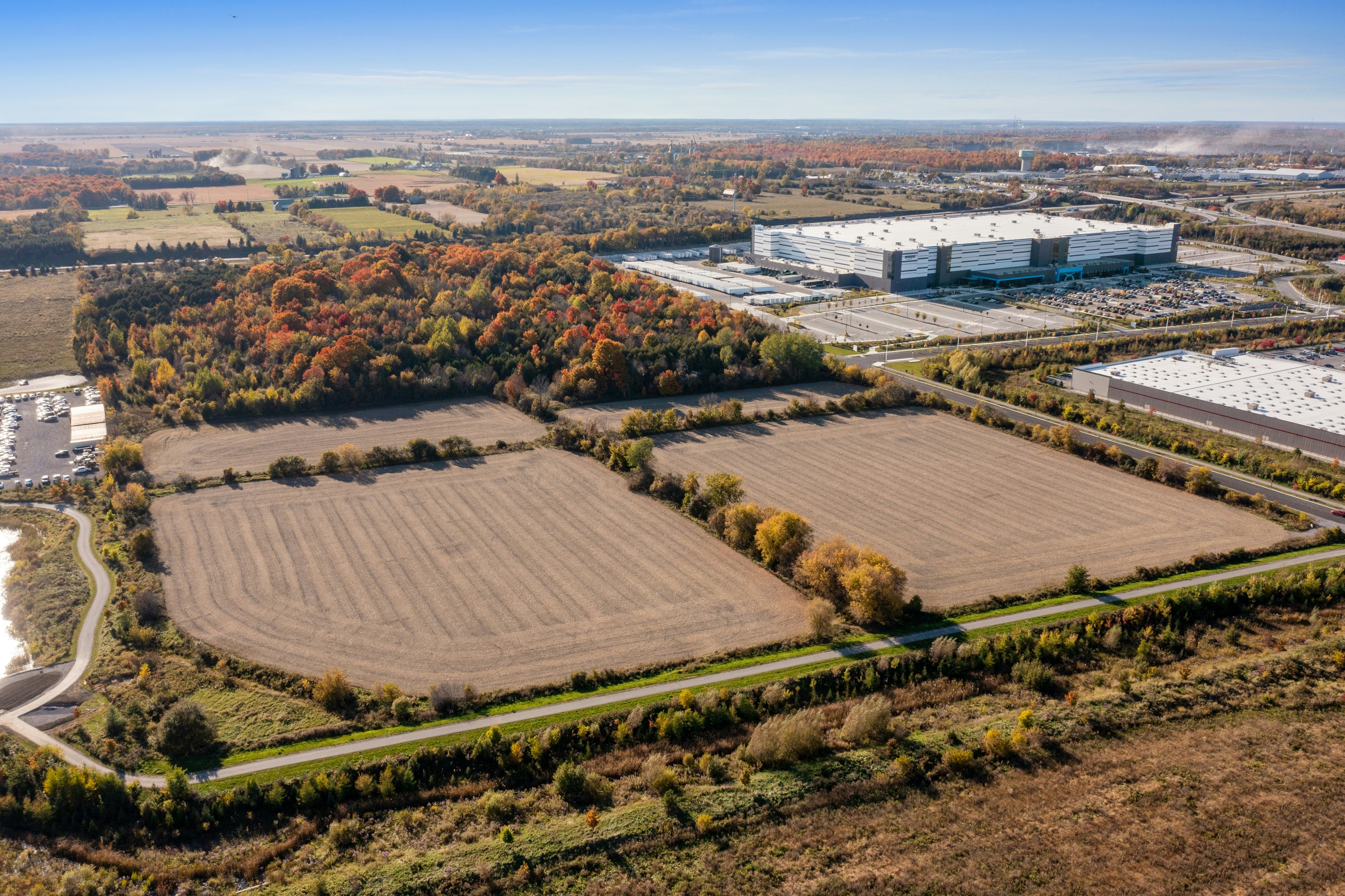
A land wholesaler may work with various types of properties, including empty lots, which are a common type of land deal. These can include residential lots in subdivisions, rural acreage or undeveloped parcels, and infill lots in urban areas. Raw land, referring to undeveloped and affordable parcels, is especially attractive to investors seeking low-cost entry points, potential appreciation, or flexible investment opportunities.
1. Infill Lots
Vacant lots in neighborhoods where utilities, streets, and homes already exist. Builders love these.
2. Rural Land (1–200+ Acres)
Used for recreation, hunting, camping, off-grid living, or future development.
3. Small Residential Lots
Quarter-acre to 5-acre parcels near highways, small towns, or in path-of-growth areas.
4. Transitional Development Land
Land that's not developable today but may skyrocket in value as cities expand.
Who Sells Land Cheap?
Landowners often forget they own the land, live thousands of miles away, or simply don't want to continue paying property taxes on unused parcels. Many have inherited land that holds no practical value to them, while others purchased it years ago without any intention of building or developing it. These circumstances create a highly motivated pool of sellers who are frequently willing to accept deep discounts just to unload their properties quickly and relieve themselves of ongoing financial burdens.
Who Buys Wholesale Land?
Buyers may include:
Builders
Developers
Land investors
Recreational buyers
Land flippers
Owner-finance buyers
To successfully wholesale land, it's important to use effective marketing strategies to find buyers, such as targeting cash buyers, land investors, and developers through various online platforms. For tips on expanding your network locally to make connections that could be valuable for finding buyers, see Mastering Real Estate Networking: Successful Strategies for Success.
Land attracts a different—and sometimes less crowded—buyer pool.
Comparing Lead Generation: Land vs Houses
When evaluating marketing channels for land deals, it's important to consider both traditional and modern options. In addition to direct mail and online ads, Facebook Marketplace has emerged as an effective platform for marketing land deals. It allows you to reach potential sellers or buyers directly, facilitating off-market land acquisition and reselling without the need for middlemen. This can help you connect with motivated landowners quickly and cost-effectively.
Finding House Leads
House wholesalers rely on various lead sources such as pre-foreclosures, probate cases, evictions, driving for dollars, absentee landlords, code violations, and water shutoff lists. To reach these potential sellers, they use a range of marketing channels including direct mail, SMS marketing, cold calling, PPC ads, social media ads, and even door knocking. However, competition in nearly every market is strong, making it crucial for wholesalers to be persistent and strategic in their outreach efforts.
Finding Land Leads
Land wholesalers often utilize specialized resources such as county vacant land lists, targeting out-of-state owners, long-term owners who have held property for over 20 years, tax delinquent land, and tools like GIS and parcel mapping to identify potential deals. Their marketing efforts typically focus on direct mail campaigns, which tend to have extremely high response rates, along with simple land-buying postcards, cold calling combined with skip tracing, engagement in Facebook land groups, and participation in investor networks. Because fewer wholesalers concentrate on land, competition is significantly lower, making it essential to leverage the right data tools and investor connections to maximize success in finding quality land leads. For more tips on finding land leads that will be worth your time, check out tips in The Ultimate Guide to Land Investment: How to Build Wealth with Raw Land.

Analyzing Deals: Houses vs Land
Analyzing House Deals
Key metrics for analyzing house deals include the After Repair Value (ARV), repair estimates, investor discount (typically 65–75% of ARV), and the Maximum Allowable Offer (MAO). Many buyers pursue house flipping as an exit strategy to profit from wholesale house deals. These deals depend heavily on factors such as comparable sales (comps), anticipated rehab costs, detailed inspection results, and prevailing market conditions. While house valuations are typically easier to determine due to abundant data, they often require more time and careful analysis to ensure accuracy and maximize profit potential.
Analyzing Land Deals
Key land metrics to consider when wholesaling include the price per acre and sales comparables, which help determine the property's market value. Access is also crucial, such as whether the lot borders a legal road, and the availability of essential utilities like water, sewer, and electricity can significantly impact the land's appeal. Additionally, understanding zoning and building restrictions, including researching local zoning laws, is essential to know the permitted uses and legal requirements for the property. Topography also plays a role in valuation, as the land's physical features can affect its usability. While land generally has fewer moving parts than houses, accurately valuing it can be more challenging because no two parcels are exactly alike.
Pros and Cons of Wholesaling Houses
Pros
1. Large Buyer Demand
Houses are liquid. Buyers are everywhere, ranging from individual homeowners to seasoned investors looking for their next project. This broad demand creates a vibrant market where properties can move quickly, often resulting in faster deal closings and more consistent sales.
2. Easier to Comp
MLS data makes house valuations predictable, providing a wealth of comparable sales to analyze. This abundance of data helps wholesalers and buyers accurately estimate a property's value, reducing guesswork and enabling more confident decision-making throughout the deal process.
3. Straightforward Exit Strategy
Buyers know exactly what to do: rehab, rent, refinance, or flip. This clarity simplifies marketing the property to potential buyers, as the end use is often well understood, making it easier to attract investors with specific exit plans and increasing the likelihood of a successful sale. To see more about all these exit strategies and see which might be right for you, check out The Best Exit Strategies in Real Estate for Successful Investments.
Cons
1. Massive Competition
Almost every wholesaler is pulling from the same foreclosure and probate lists, which means you'll face a lot of competition. This makes it challenging to find exclusive deals and stand out in the market. To get more exclusive access, check out USLeadList and their pre-probate lead offerings.
2. Seller Emotion & Drama
Sellers often bring emotional baggage to the table, such as attachment to the property or family disputes. You may also encounter tenants or financial stress, requiring strong communication and negotiation skills.
3. Unexpected Repairs
Even if you don't plan to fix anything yourself, your buyers will care about the property's condition. Unexpected repairs can impact the price and complicate the deal.
Pros and Cons of Wholesaling Land
Pros
1. Virtually No Competition
Most wholesalers ignore land entirely, so you'll often be the only one reaching out to these sellers. This lack of competition makes it easier to find motivated sellers and secure deals.
2. No Rehab Surprises
With land, there are no concerns about roofs, plumbing, foundations, mold, or termites. This eliminates unexpected repair costs and complications common with houses.
3. Cheaper to Market To
Marketing to landowners through direct mail campaigns is often more cost-effective than marketing to house sellers. These campaigns typically achieve higher response rates and better results.
4. Bigger Discounts
Many landowners are willing to accept offers at just 10–30% of market value to avoid ongoing property taxes. This creates opportunities for significant profit margins.
Cons
1. Valuing Land Can Be Tricky
The value of land can vary greatly due to unique factors such as topography, access, and availability of utilities. These elements can significantly impact the property's market worth.
2. Sometimes a Smaller Buyer Pool
In rural areas especially, demand for land can be seasonal and limited. This results in a smaller pool of potential buyers compared to urban properties.
3. Access and Zoning Issues
A parcel of land that is landlocked with no legal access may have little to no value. Additionally, zoning restrictions can limit how the land can be used, affecting its desirability and marketability.

Is Land or Houses Easier for Beginners?
Wholesaling Houses Is Easier If You:
Enjoy negotiating
Enjoy talking to people
Want a fast-paced business (flipping houses is another fast-paced strategy for investors seeking quick returns and high deal volume)
Prefer urban/suburban markets
Want consistent buyer demand
Wholesaling Land Is Easier If You:
Prefer online research over property walkthroughs
Want fewer emotional sellers
Want less competition
Want deals you can evaluate from your laptop
Like the idea of working in multiple states simultaneously
Prefer less dealing with tenants, repairs, or complex negotiations, making the process simpler for some investors
Land is the "quiet" business model; houses are the "high-energy" one.
Profit Potential: Which Makes More Money?
Average House Wholesale Fee:
$7,500 – $30,000
Average Land Wholesale Fee:
$8,000 – $50,000
But here's the difference:
Houses = more deals, smaller spreads on average.
Land = fewer deals, but often bigger spreads.
Many land wholesalers regularly get 5–10X returns because landowners frequently don't know or understand the true market value.
Systems, Tools & Marketing Strategies
No matter which asset you choose to wholesale, having the right tools is essential. This includes a reliable CRM (See How to Pick the Best CRM for Real Estate Investors (Without Wasting Money)), a skip tracing service, a solid marketing plan, a comprehensive buyers list, and a strong follow-up system. Additionally, tracking deal outcomes and using analytics tools can provide valuable insights that help you optimize your marketing efforts and improve your overall deal flow for greater success.
Top Tools for Land Wholesaling
PropStream (land filters)
MapRight or LandGlide
DataTree
PRYCD for land valuations
Drone photos (huge conversion booster)
Top Tools for House Wholesaling
MLS data
Inheritance data (USLeadList)
Rehab calculators
DealMachine
Foreclosure data services
SkipGenie
Zillow + Redfin comp analysis
Each niche requires its own toolkit.
Choosing Your Niche: Land, Houses, or Both?
Land Is Best If You Want:
Land wholesaling offers simplicity and lower marketing costs compared to other real estate strategies. With less competition, it provides a smoother experience with fewer headaches, making it ideal for those who prefer laptop-friendly operations. Additionally, land wholesaling can be an effective way to build wealth over time due to larger profit spreads and a less crowded market.
Houses Are Best If You Want:
Wholesaling houses is suited for investors seeking high deal volume, which can contribute to building wealth through consistent profits. This approach benefits from strong buyer demand and easier property valuation due to abundant comparable sales data. It also represents a more established business model, providing a clear framework for new investors to follow.
Doing Both Is Completely Possible
Many top wholesalers:
Get land deals "accidentally" while pulling house lists
Add land marketing as a secondary revenue stream
Scale a dual pipeline for maximum deal flow, taking advantage of wholesaling's unique benefit: you can profit from deals without taking ownership of the properties, which reduces risk and eliminates property management responsibilities.
You can start with one, master it, and expand later.

Conclusion
Wholesaling land vs wholesaling houses ultimately depends on your preferences, strengths, and long-term goals. Wholesaling houses is fast-paced, competitive, and emotionally charged but offers consistent deal flow and quick profits. In contrast, wholesaling land is quieter, less competitive, and often more profitable per deal, with a simpler selling process.
Both strategies involve securing contracts and facilitating property sales for profit, and both can build wealth, scale nationwide, and be automated over time. Choosing the niche that aligns with your personality and strengths will help you close more deals, stay consistent, and build a lasting wholesaling business.